Editor’s note

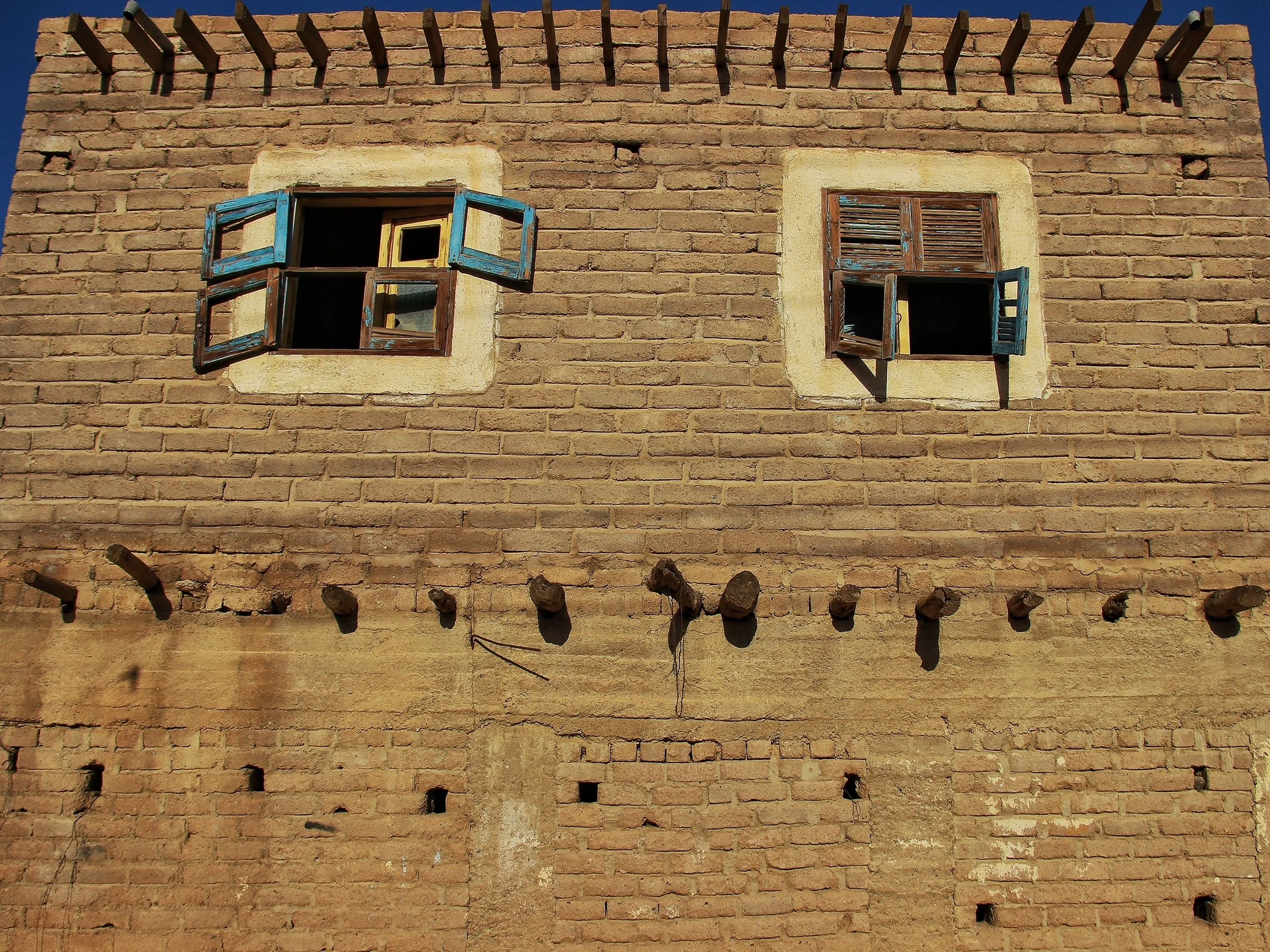
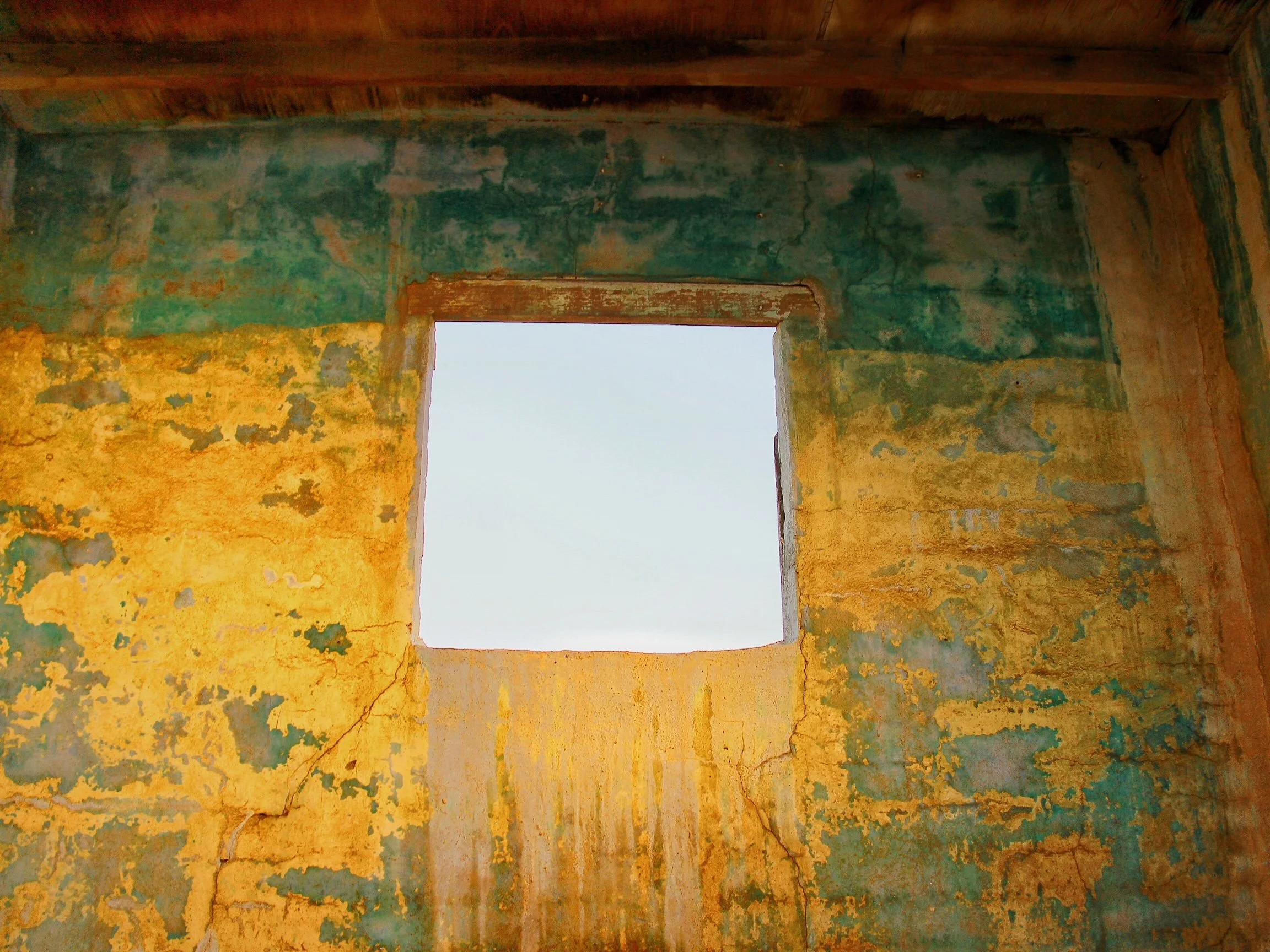
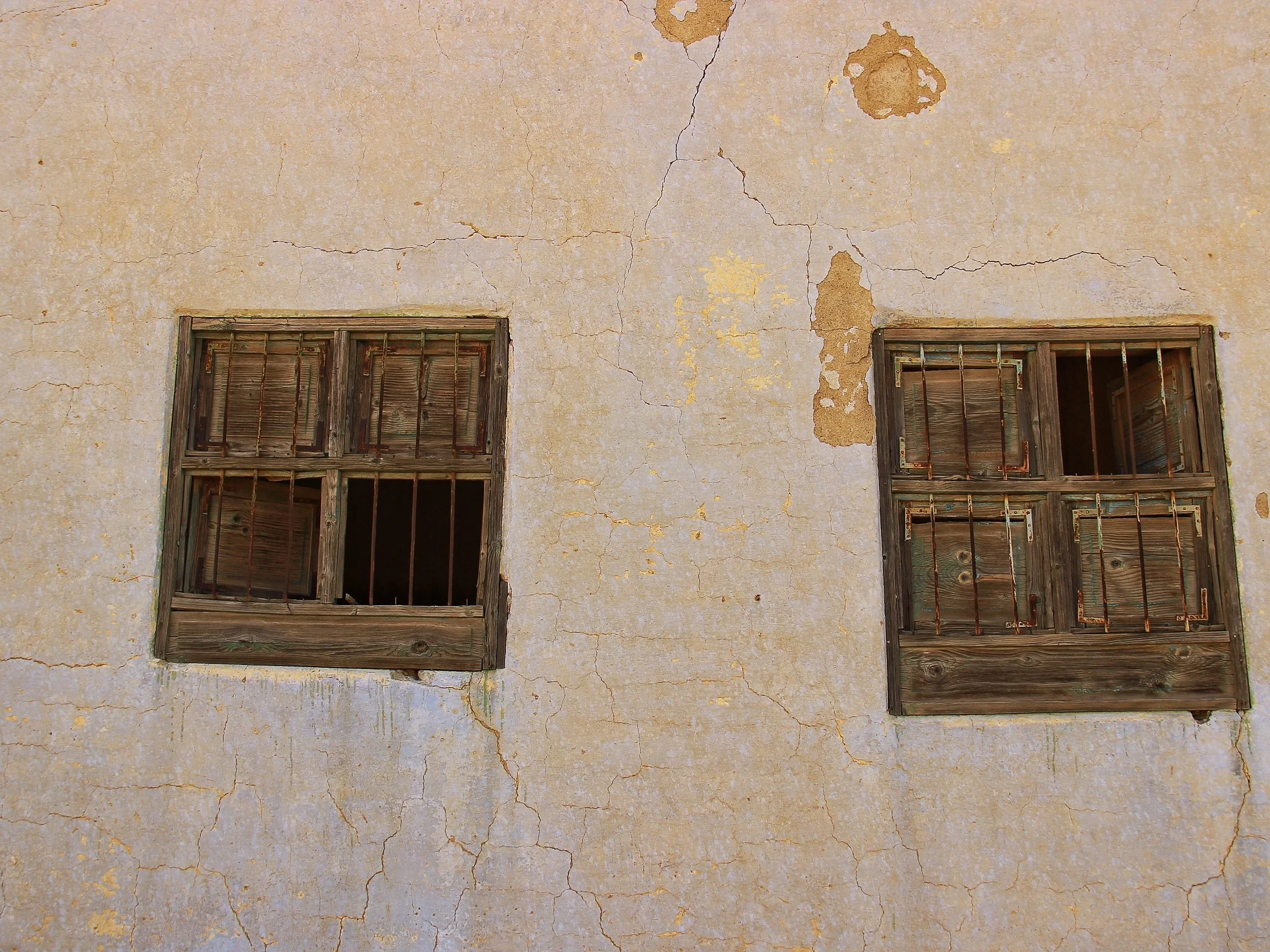
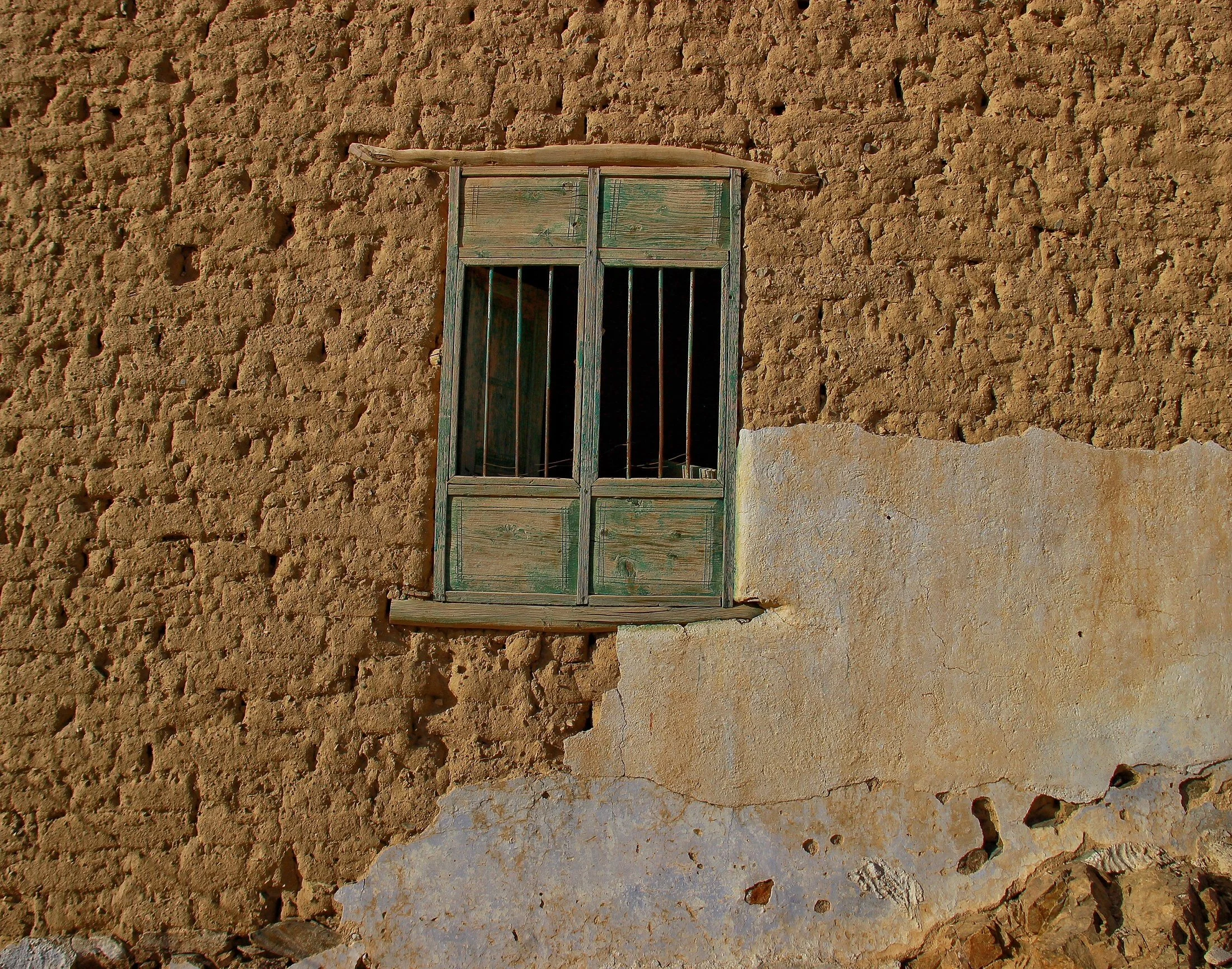
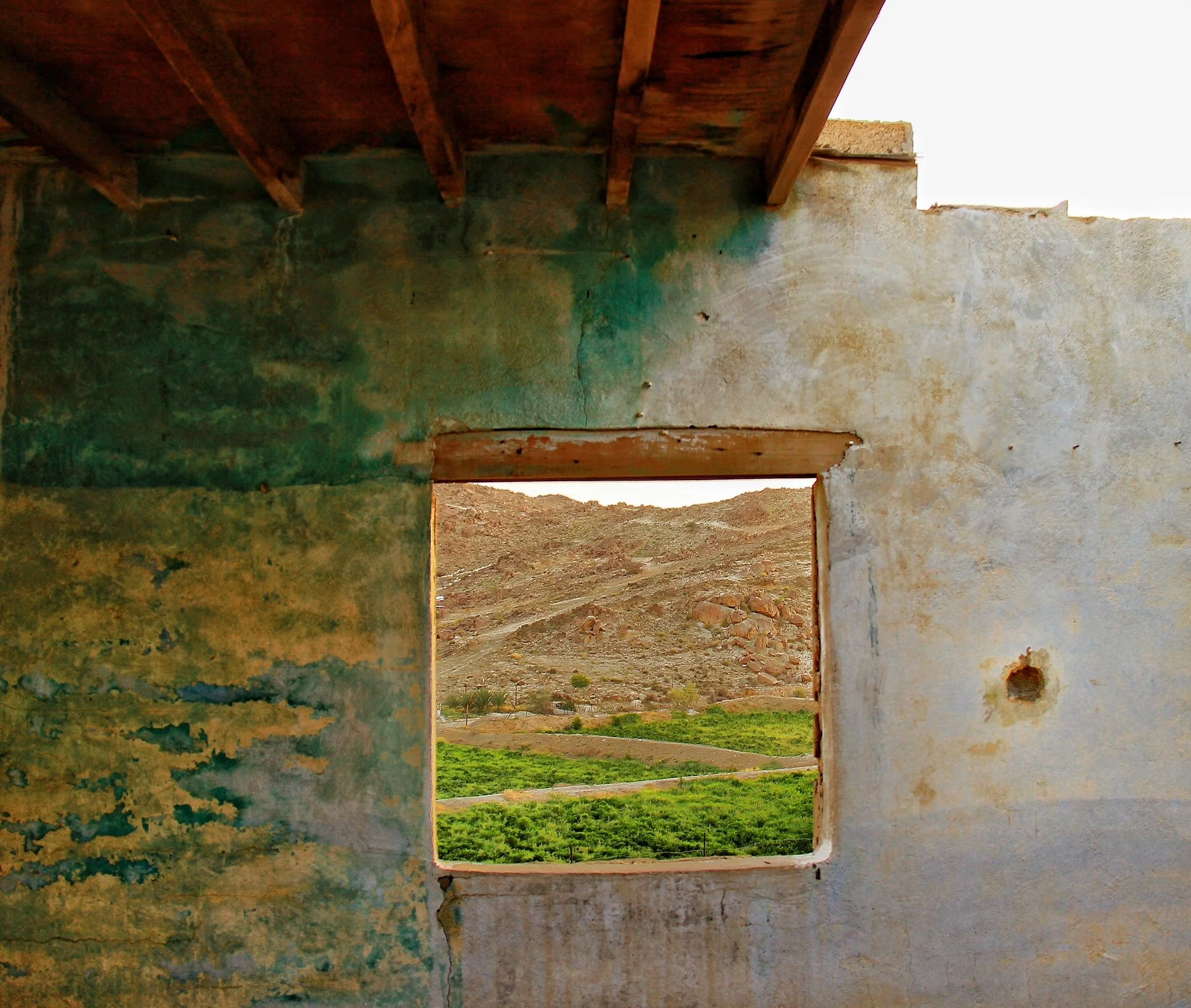
* Inside the cover art: Through the Window by Jamil Althubaiti

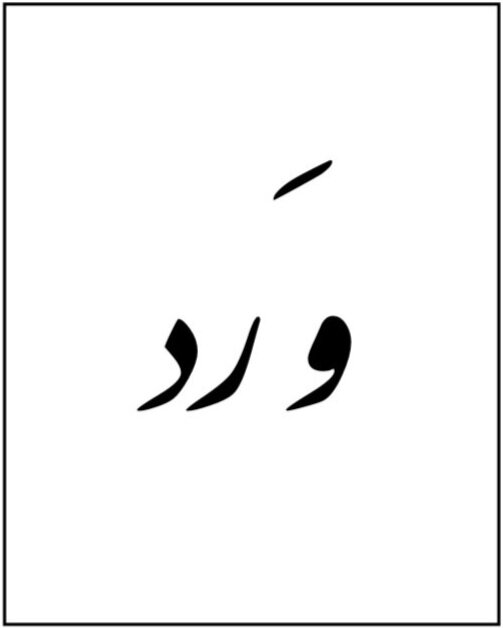
When I released Ward’s first issue online in 2017, I wasn’t working from a fixed roadmap or a long-term strategy. I was operating through a persistent sense of frustration. It didn’t make sense to me that artists around me in Tabuk, and across smaller towns and cities in Saudi Arabia, felt absent from the cultural narrative taking shape in the country’s major urban centers. The art scene being cultivated and funded elsewhere seemed to move forward without them, as if they existed outside its frame. What haunted me was a fear that their work might be forgotten and ultimately unseen.

The internet then became Ward’s playground. In the absence of institutional support or physical infrastructure, it offered this platform an unwavering promise: an alternative route through which overlooked voices could surface and be documented on their own terms. It kept that promise and gave Ward a home. It also gave it the tools to needed to put together 27 digital issues, including this one, bringing together the work of over 100 artists across Saudi Arabia, regardless of nationality, age, or level of experience, and despite the conditions that have kept their practices at a distance from recognition.

In full commitment to that frustration, this issue opens with a question (and a lingering fear) that has followed me for years: how do we remember? Ward itself is, in many ways, an attempt at remembrance, particularly through the lenses and perspectives of those pushed to the margins. In doing so, it has grown into a somewhat living archive, a mirror that captures glimpses of our art scenes and their evolving needs.

The internet, once again, is the catalyst here, and what made all of this possible with remarkable ease. Yet the same infrastructure that allows Ward to reach artists regardless of the geographies they inhabit also renders it deeply vulnerable. Digital issues, posts, web pages, and submission forms can all be restricted or lost to censorship, to surveillance, or even something as abrupt and indiscriminate as a missile.

Remembrance, then, loses its neutrality and becomes a political act that is never fully guaranteed. What is remembered, who is allowed to remember, and how those memories are constructed all become instruments of power. In reckoning with this fragility, I find myself less interested in documenting every artwork emerging across Saudi for this issue, and more drawn to tracing the logics and processes that determine what is preserved, and what is inevitably forgotten. And that’s why I insist on Ward. It is how I remember.

The interviews included here were conducted both online and in person, and submissions were accepted and published on a rolling basis. This approach began as an experiment and a potential solution to sustain Ward’s editorial process, while also tending to the shifts and demands of my personal life, which have led to pauses (short, but occasionally too long) in publication (I used to resist these interruption, but I’ve now learned to submit to them and see them as part of the rhythm that shapes the work itself).

Whether it is preserving the character of spaces across Jeddah’s neighborhoods, documenting the visual language of Riyadh’s billboards and signs, photographing generations of Tabuk residents, or tracing the marks of childhood in Yanbu, each contribution in this issue interrogates how and why each memory, and each artwork, is formed and saved.

Happy reading!

Warmly,

Khaled Alqahtani 

Founder and Editor-in-Chief 

Khaled AlqahtaniComment